
4 Situations Where Gravure Outperforms Other Printing Technologies
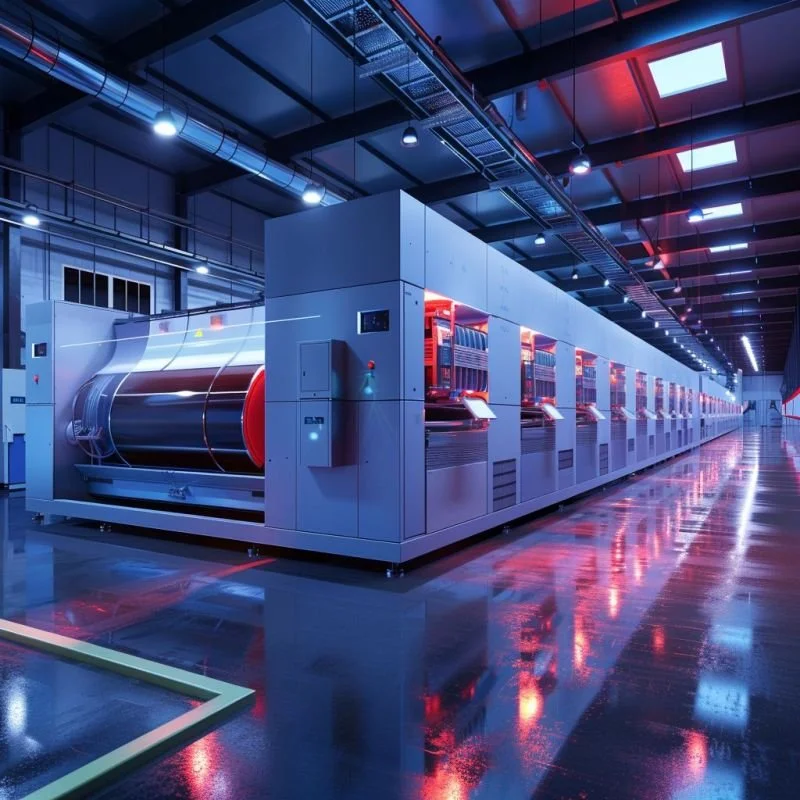
When comparing printing technologies, the right choice always depends on the application. Flexo, offset, digital, and gravure each bring specific strengths to the table. The real question is not which technology is universally best, but which one is best suited to the demands of the job.
There are, however, certain situations where gravure consistently delivers stronger results than the alternatives. For converters and brand owners working on demanding packaging projects, these advantages can have a major impact on quality, efficiency, and long-term cost.
Here are four situations where gravure stands out.
1. High-volume production runs
Gravure performs exceptionally well in long-run production. Once the cylinders are prepared, the process becomes highly efficient for extended runs, especially when volumes reach hundreds of thousands or even millions of square meters.
One of the biggest reasons for this is cylinder durability. Gravure cylinders are built to last, which makes them well suited for continuous, high-output jobs. Over time, that durability translates into stronger economics, especially when the same setup is used across a large volume of printed material.
For operations producing at scale, this can reduce interruptions, support stable output, and improve cost efficiency across the full run. In these environments, gravure offers a level of endurance that is difficult to match.
2. When print quality must stay exceptional from start to finish
Some packaging designs demand a higher standard of visual performance. Rich solid tones, smooth gradients, sharp details, and consistency across the entire run all matter when shelf impact is a priority.
This is where gravure has long been recognized as a premium solution. Its engraved cells allow for highly controlled ink transfer, which supports deep color strength and refined image reproduction. The result is a clean, high-quality print appearance that remains stable over time.
This consistency becomes especially valuable on long runs, where even small fluctuations in print quality can create visible differences. For brands that rely on premium presentation, gravure helps maintain that standard across the full production cycle.
3. When the same design is printed again and again
Many packaging jobs are not one-time productions. Seasonal products return, core SKUs stay active for years, and successful designs often need to be reprinted multiple times. In these cases, repeatability matters.
Gravure cylinders can be reused for future runs of the same artwork, which creates a major advantage for repeat jobs. Once the cylinder is available, future production becomes easier to plan and execute with a high level of consistency.
This is particularly valuable for brands with stable packaging portfolios or recurring campaigns. Instead of recreating the image carrier each time, the existing cylinder can continue to deliver the same print result. That supports faster reprints, better consistency, and stronger long-term value from the original investment.
4. When the design includes complex visual details
Some designs place greater demands on the printing process. Fine lines, delicate tonal transitions, subtle textures, and soft vignettes all require a technology that can reproduce detail with precision.
Gravure is especially strong in these applications. Its image reproduction capabilities make it well suited for packaging designs where refinement matters and where visual details play a central role in how the product is perceived.
This makes gravure a strong option for premium packaging, decorative applications, and designs that need to communicate quality through texture, depth, and visual sophistication. When detail is part of the brand experience, gravure offers a level of control that supports that goal effectively.
Choosing the right technology starts with the job
Printing technologies should always be evaluated in context. Run length, design complexity, expected reprints, quality requirements, and production goals all influence the right decision.
Gravure continues to be one of the strongest options for projects that require long-run efficiency, premium print quality, repeatability, and precise detail reproduction. In those situations, its strengths become especially clear.
For converters and brands working on packaging that needs to perform at a high level, gravure remains a highly valuable choice.
Conclusion
Every printing technology has its place in modern packaging production. Gravure earns its advantage when the job demands durability, consistency, visual excellence, and reliable repeat performance.
If your application includes high volumes, complex artwork, repeat orders, or premium quality expectations, gravure deserves serious consideration.